
Clear answers for the water systems behind your home.
From a pump that won’t start to a filter that keeps clogging, learn what to check, what the symptoms mean, and when to call a qualified professional.
Troubleshoot a problem →Explore water filtration
Find the right guide for your problem.
Something isn’t working
No water, surging pressure, frequent cycling or unexplained pump behavior? Start with the symptom, not a shopping list.
Follow the diagnostic path →Pumps & pressure systems
Learn how pumps, controls and tanks work together, and which specifications actually matter before a replacement.
Explore well pumps →Water filtration
Match the treatment method to a tested water-quality problem: sediment, iron, hardness, odor or microbial contamination.
Explore water treatment →Test the water. Then choose the treatment.
Iron, sediment, bacteria, nitrate, sulfur odor and hard water are different problems. A filter that addresses one may not solve another.
See the decision guide →- Identify the symptom. Note changes in flow, color, taste or odor.
- Check your water report. Use an appropriate certified laboratory for contaminants of concern.
- Match the solution. Compare treatment claims and certifications for the specific contaminant.
- Maintain the system. Plan for service intervals and total ownership costs.
Good diagnosis saves time and money.
Why does my well pump keep switching on?
Rapid on-off cycling can involve tank precharge, a faulty bladder, pressure control or leaks. Repeated cycling deserves attention because it may shorten pump life.
Review the safe first checks →What size pressure tank do I need?
Tank capacity is not the same as usable drawdown. Pump flow, operating pressure and target minimum runtime all affect sizing.
Understand pressure tank sizing →Answers for the problems you’re facing today.
Start with what you notice at home, then follow clear checks and know when professional help is needed.
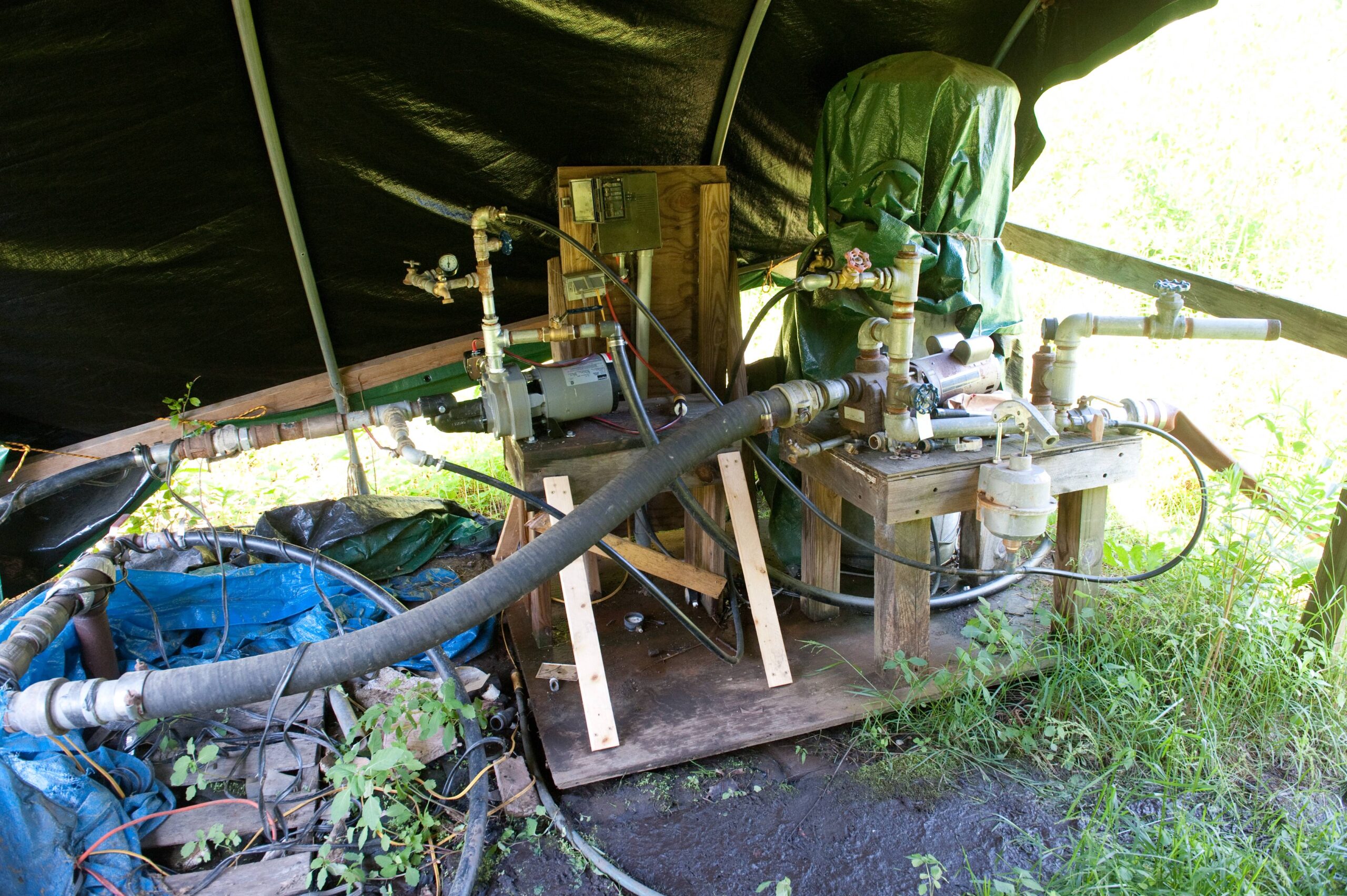 WELL PUMP TROUBLESHOOTING
Well Pump Runs but No Water?
No water at your faucets even though the pump seems to run? Start with safe first checks and identify whether you have a jet or submersible pump.
Read the troubleshooting guide →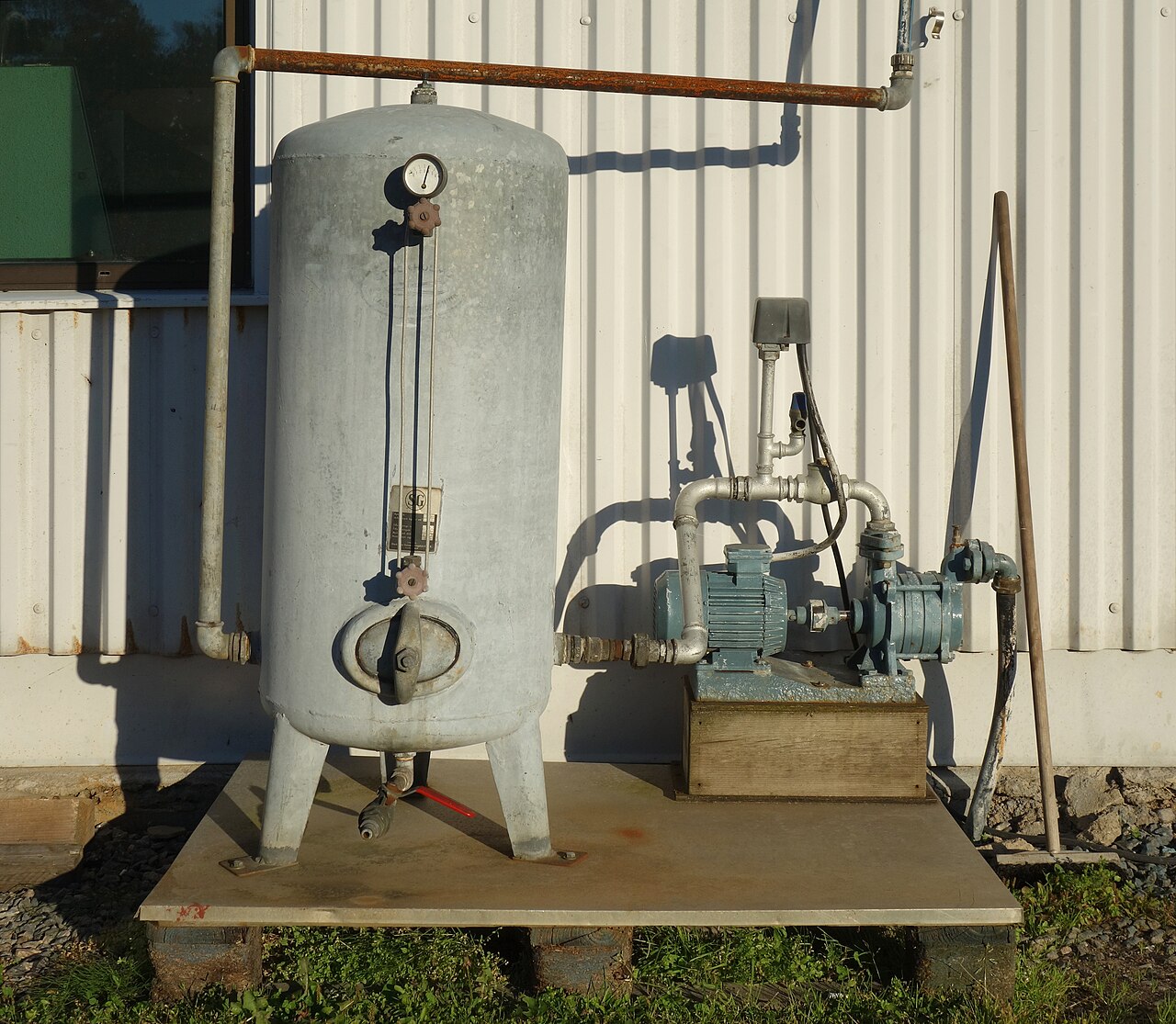 PRESSURE TANKS
Well Pressure Tank Air Pressure Chart
Find the usual 28 PSI and 38 PSI precharge targets for conventional 30/50 and 40/60 systems, and learn how to check safely.
Check the PSI chart →Well Water Gear is an independent educational resource, not an installer, laboratory or emergency service. If water safety is uncertain, rely on appropriate laboratory testing and qualified local professionals. Affiliate disclosure.